





















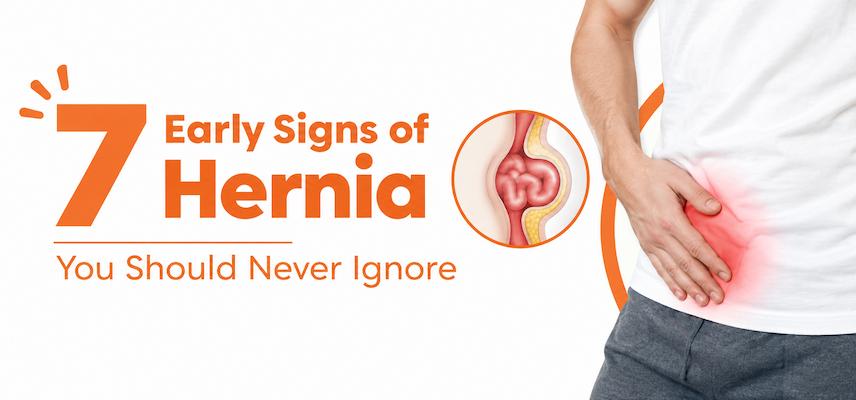
Early Signs of Hernia
A Visible or Palpable Bulge
The most common one is a visible lump in the abdomen, groin, or areas near the navel. It will be more visible while standing, coughing, lifting, or straining.
Pressure or Heaviness
After prolonged standing, if you notice a sensation of pressure or dragging in your abdomen, you may have developed a hernia. In this case, you should seek a specialist.
Pain While Lifting or Exercising
If you’re having pain or pressure in the abdomen when lifting weights or doing workouts that engage the abdominal muscles, you should seek an appointment with a specialist.
Burning, Aching, or Tingling Sensation
A burning, aching, tingling, or pulling sensation in the abdomen or groin may sometimes be associated with a hernia. Pressure from the protruding tissue can irritate nearby tissues or nerves, causing unusual sensations that may become more noticeable after physical activity.
Discomfort That Gets Worse When Coughing or Sneezing
If coughing or sneezing causes pain, pressure, or a noticeable increase in a lump, it could be a sign of a hernia. These actions temporarily increase intra-abdominal pressure, which can make a hernia bulge more prominent or cause discomfort in the affected area.
Difficulty with Daily Movements
If a particular area starts hurting or feeling uncomfortable when you walk, bend, climb stairs, or get up from a chair, a hernia could be one possible cause. Even a small hernia may cause discomfort during everyday movements, especially when abdominal pressure increases.
Bloating or Abdominal Discomfort
Sometimes Bloating can occur with some types of hernias, although these symptoms alone do not necessarily mean you have one. Certain abdominal and hiatal hernias may be associated with digestive symptoms, so persistent or unexplained discomfort should be evaluated by a medical professional.
How Is a Hernia Treated?
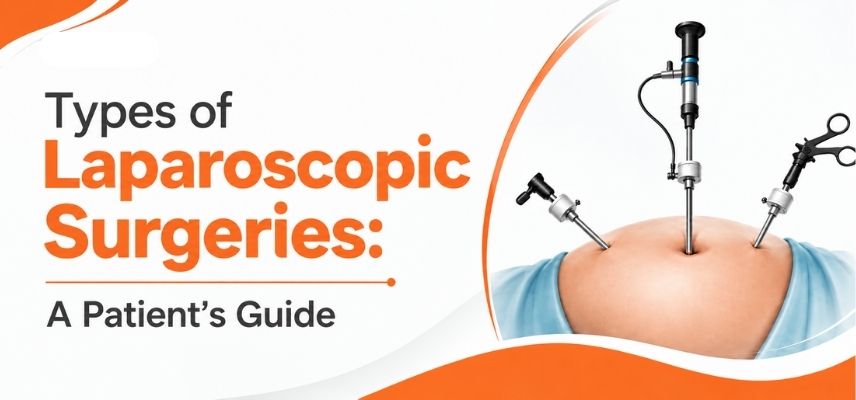
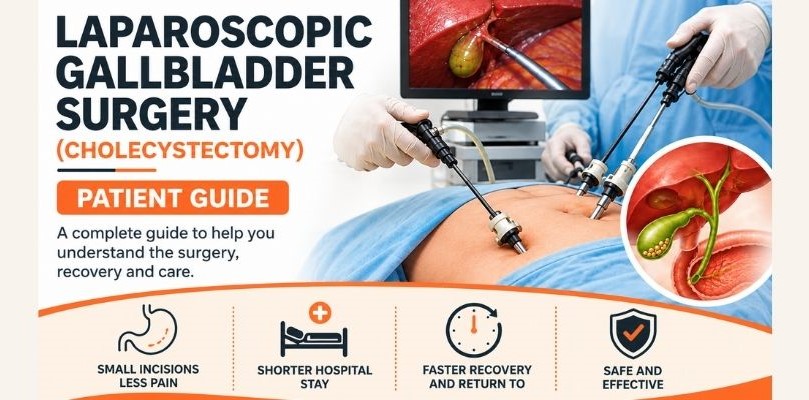
Treatment of a hernia depends on the type of hernia, its size, location, and your current health condition. In case there’s a need for surgery, there are options such as open hernia repair, laparoscopic hernia surgery, or robotic-assisted surgery, depending on your health condition. Laparoscopic surgery includes small incisions and a camera, while robotic-assisted surgery offers enhanced visualization and more instrument control. However, if you’re looking for a Laparoscopic surgeon, you can visit Modern Hospital in Jalandhar.
Conclusion
Early Signs of Hernia should not be ignored, especially when you notice a bulge or abdominal pain in day-to-day movement. Recognising the above mentioned signs can help you seek a specialist early and get treatment before any serious complications develop. If you notice any of these signs, consult the experienced surgical team at Modern Hospital today.